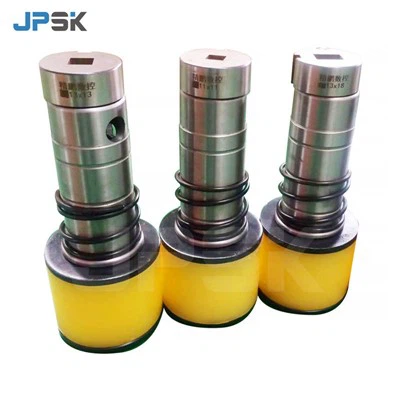
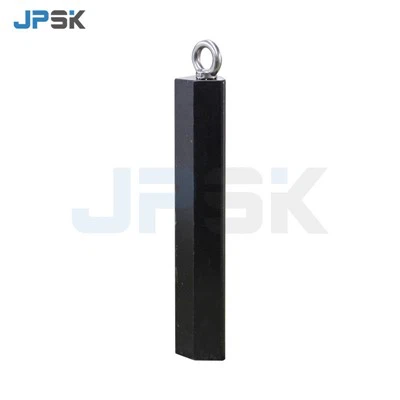
As a professional copper rod bending mold supplier, I've witnessed firsthand how these molds can significantly impact the quality of bent copper rods. In this blog, I'll delve into the various aspects of how a copper rod bending mold affects the quality of the final product, highlighting key factors and sharing insights based on real - world experiences.
1. Precision and Tolerance of the Mold
The precision and tolerance of a copper rod bending mold play a crucial role in determining the quality of the bent copper rod. A mold with high precision ensures that the copper rod is bent to the exact specifications required. For instance, if a particular project demands a copper rod to be bent at a specific angle with a very tight tolerance, a well - made mold can achieve this with great accuracy.
When the mold has tight tolerances, it can minimize variations in the bending process. This means that each bent copper rod produced will be nearly identical to the others, which is essential for applications where consistency is key, such as in electrical wiring systems or mechanical components. On the other hand, a mold with poor precision and wide tolerances may result in bent copper rods that deviate from the desired dimensions. These deviations can lead to problems during installation, as the rods may not fit properly into the intended spaces or may not work in harmony with other components.
Our company offers molds like the U - Shape Bending Mold, which are manufactured with high - end machining techniques to ensure precise bending and low tolerances. This allows our customers to obtain copper rods with consistent quality and accurate dimensions.
2. Surface Finish of the Mold
The surface finish of the copper rod bending mold has a direct impact on the surface quality of the bent copper rod. A smooth mold surface can prevent scratches and marks on the copper rod during the bending process. When the mold has a rough surface, as the copper rod is forced through the bending process, it can create abrasions on the rod's surface. These scratches not only affect the aesthetic appearance of the copper rod but can also potentially weaken the material at the scratch points.
Additionally, a good surface finish on the mold reduces friction between the mold and the copper rod. Lower friction means that less force is required to bend the rod, which can result in a more uniform and stress - free bend. This is especially important for maintaining the structural integrity of the copper rod. Our Cable Connector Processing Mold is designed with a high - quality surface finish to ensure that the copper rods used for cable connectors have a smooth and flawless surface.
3. Material and Durability of the Mold
The material used to make the copper rod bending mold is another significant factor affecting the quality of the bent copper rod. A mold made from high - quality, durable materials can maintain its shape and performance over a large number of bending operations. For example, molds made from hardened steel are known for their strength and resistance to wear and deformation.
When a mold is durable, it can consistently produce high - quality bent copper rods over an extended period. In contrast, a low - quality mold may start to wear out quickly, causing changes in its shape and dimensions. As the mold wears, it will no longer be able to bend the copper rod accurately, leading to poor - quality products. For instance, a worn - out mold may start to produce uneven bends or cause the copper rod to crack. Our Seamless Bending Mold is crafted from premium materials, ensuring long - term durability and consistent production of high - quality bent copper rods.
4. Design of the Mold
The design of the copper rod bending mold is tailored to different bending requirements. Different applications may demand various bending shapes, such as U - shapes, L - shapes, or complex curves. A well - designed mold can handle these diverse bending needs effectively.
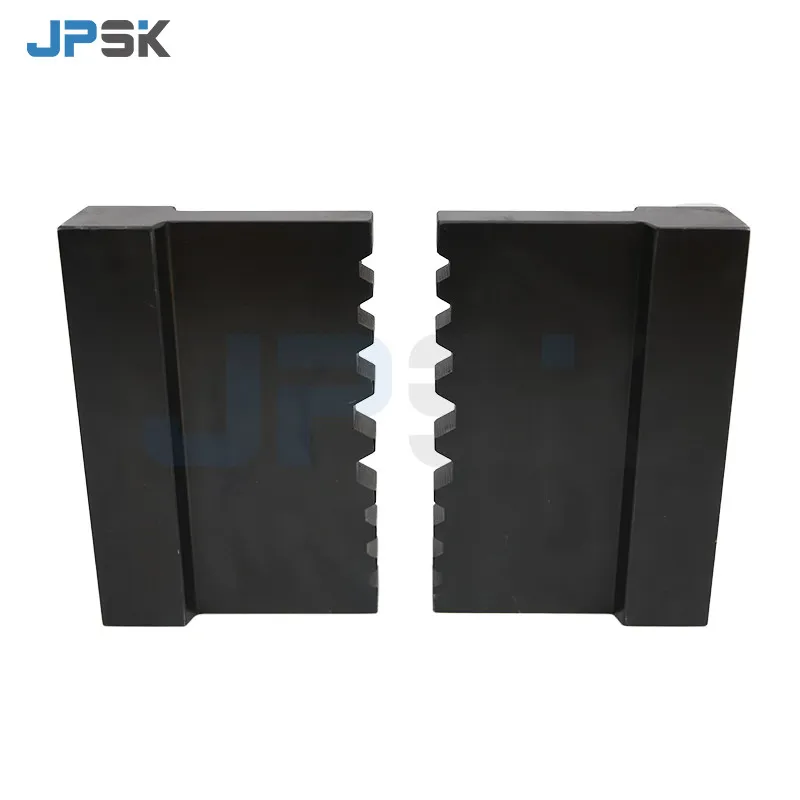

For example, a mold designed specifically for tight - radius bends must be able to exert the right amount of pressure at the correct points to avoid over - stressing the copper rod. If the mold design is flawed, it may cause the copper rod to break or kink during the bending process. Moreover, a good mold design should also take into account the elasticity of the copper rod. Since copper has a certain degree of elasticity, the mold should be designed to account for this so that the bent copper rod retains the desired shape after the bending force is removed.
5. Impact on the Mechanical Properties of the Copper Rod
The bending process using a copper rod bending mold can also influence the mechanical properties of the copper rod. A proper bending process carried out with a high - quality mold can result in a copper rod with enhanced mechanical strength at the bent area. This is because the controlled deformation during the bending process can cause work - hardening in the copper, which is a phenomenon where the material becomes stronger and more resistant to further deformation.
However, if the bending mold is not optimized, it may cause excessive stress on the copper rod. This excessive stress can lead to micro - cracks and weak points in the rod, reducing its overall mechanical strength and making it more prone to failure during use. A well - designed and properly functioning mold can ensure that the bending process enhances rather than degrades the mechanical properties of the copper rod.
Contact Us for Your Copper Rod Bending Mold Needs
If you are looking for high - quality copper rod bending molds that can ensure the excellent quality of your bent copper rods, we are here to help. Our team of experts has years of experience in the field of mold manufacturing, and we are committed to providing you with the best solutions for your specific requirements. Whether you need a simple U - shape bending mold or a complex cable connector processing mold, we have the expertise and resources to meet your needs. Contact us to start a procurement discussion and find the perfect copper rod bending mold for your business.
References
- Smith, J. (2018). "Advanced Manufacturing Techniques for Metal Bending Molds". Manufacturing Review.
- Johnson, A. (2020). "The Impact of Mold Design on Metal Bending Quality". Journal of Material Processing.
- Brown, C. (2019). "Material Selection for Durable Metal Bending Molds". Materials Science Journal.