

Embossing molds play a crucial role in a wide range of industries, from manufacturing to crafts. Selecting the right embossing mold for your project can significantly impact the quality, efficiency, and overall success of your work. As an embossing mold supplier, I understand the challenges that customers face when making this decision. In this blog post, I will share some key considerations to help you choose the perfect embossing mold for your specific needs.
1. Understand Your Project Requirements
The first step in choosing the right embossing mold is to have a clear understanding of your project requirements. Consider the following aspects:
Material
The type of material you will be embossing is one of the most important factors. Different materials have different properties, such as hardness, flexibility, and melting point. For example, embossing on metal requires a more durable mold compared to embossing on plastic or paper. Make sure the mold you choose is compatible with the material you are working with.
Design Complexity
The complexity of your embossing design also matters. Simple designs may require a basic mold, while intricate patterns or detailed logos may need a more advanced and precise mold. If your design has fine details, you may need a mold with high-resolution engraving to ensure a clear and accurate emboss.
Size and Dimensions
Determine the size and dimensions of the area you want to emboss. The mold should be large enough to cover the desired area without any distortion. Additionally, consider the thickness of the material, as this can affect the depth of the emboss and the overall performance of the mold.
2. Evaluate Mold Quality
The quality of the embossing mold directly affects the quality of the embossed product. Here are some factors to consider when evaluating mold quality:
Material of the Mold
Molds can be made from various materials, such as steel, aluminum, brass, and silicone. Steel molds are known for their durability and high precision, making them suitable for high-volume production. Aluminum molds are lighter and more cost-effective, but they may not be as durable as steel. Silicone molds are flexible and can be used for embossing on irregular surfaces, but they may not have the same level of precision as metal molds.
Manufacturing Process
The manufacturing process of the mold can also impact its quality. Look for molds that are made using advanced manufacturing techniques, such as CNC machining or laser engraving. These processes ensure a high level of accuracy and consistency in the mold's design and dimensions.

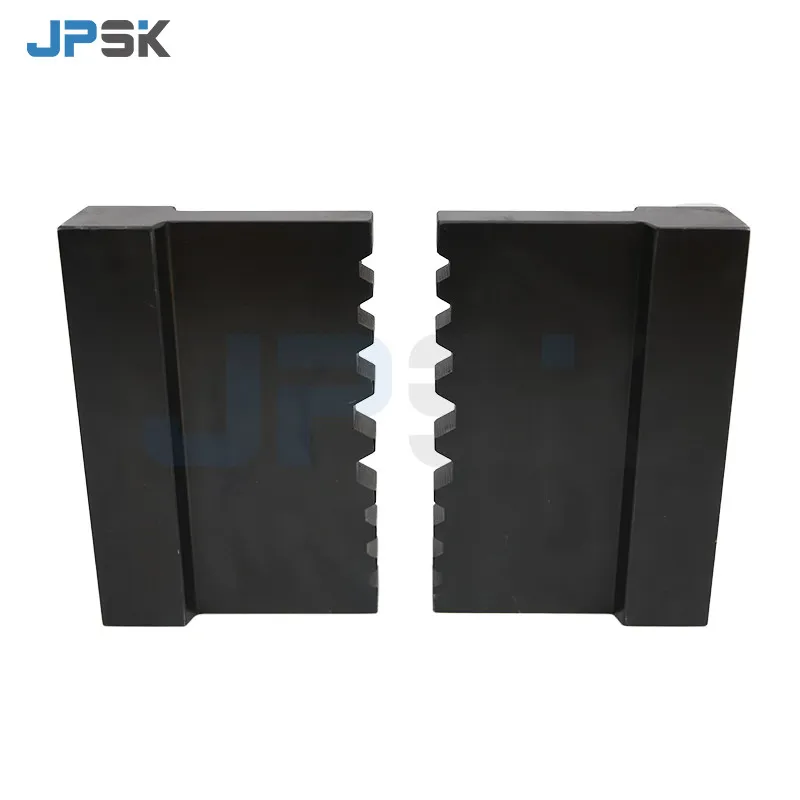
Surface Finish
A smooth and polished surface finish on the mold is essential for a clean and professional-looking emboss. Check for any scratches, burrs, or uneven surfaces on the mold, as these can transfer to the embossed product.
3. Consider Mold Compatibility
In addition to being compatible with the material you are embossing, the mold should also be compatible with your embossing equipment. Here are some points to keep in mind:
Press Type
Different embossing presses have different requirements and capabilities. Make sure the mold you choose is compatible with the type of press you will be using. For example, some presses may require a specific size or shape of the mold, while others may have limitations on the depth of the emboss.
Pressure and Temperature
The embossing process involves applying pressure and sometimes heat to the material. Ensure that the mold can withstand the pressure and temperature required for your embossing process without warping or deforming.
4. Look for Customization Options
If your project has unique requirements or a specific design, you may need a custom-made embossing mold. Many mold suppliers, including us, offer customization services to create molds that meet your exact specifications. Here are some benefits of custom molds:
Tailored to Your Design
A custom mold allows you to have a precise and accurate representation of your design. You can choose the shape, size, and details of the emboss, ensuring that it matches your vision perfectly.
Improved Efficiency
Custom molds can be designed to optimize the embossing process, reducing production time and increasing efficiency. For example, a custom mold can be designed to fit your specific embossing equipment, minimizing the need for adjustments and setup time.
5. Check for After-Sales Support
After-sales support is an important consideration when choosing an embossing mold supplier. A reliable supplier should offer technical support, maintenance services, and replacement parts if needed. Here are some aspects of after-sales support to look for:
Technical Assistance
If you have any questions or issues during the embossing process, the supplier should be able to provide prompt and helpful technical assistance. This can include advice on mold installation, operation, and troubleshooting.
Maintenance and Repair
Regular maintenance of the embossing mold is essential to ensure its longevity and performance. A good supplier should offer maintenance services, such as cleaning, lubrication, and inspection. In case of any damage or wear, they should also be able to provide repair services or replacement parts.
6. Explore Different Types of Embossing Molds
There are various types of embossing molds available in the market, each suitable for different applications. Here are some common types:
U-Shape Bending Mold
The U-Shape Bending Mold is designed for creating U-shaped bends in materials. It is commonly used in the manufacturing of busbars, cable connectors, and other electrical components. This type of mold can provide a precise and consistent bend, ensuring the quality and functionality of the final product.
One-Time Forming Bending Mold
The One-Time Forming Bending Mold is ideal for applications where you need to form a complex bend in a single operation. It can save time and increase production efficiency by eliminating the need for multiple bending steps. This mold is often used in the automotive, aerospace, and construction industries.
Cable Connector Processing Mold
The Cable Connector Processing Mold is specifically designed for processing cable connectors. It can create precise and detailed embossments on the connectors, ensuring a secure and reliable connection. This type of mold is widely used in the electrical and telecommunications industries.
Conclusion
Choosing the right embossing mold for your project is a critical decision that can affect the quality, efficiency, and success of your work. By understanding your project requirements, evaluating mold quality, considering mold compatibility, looking for customization options, checking for after-sales support, and exploring different types of molds, you can make an informed choice. As an embossing mold supplier, we are committed to providing high-quality molds and excellent customer service. If you have any questions or need assistance in choosing the right mold for your project, please feel free to contact us for a consultation and procurement discussion.
References
- "Embossing Technology Handbook"
- Industry reports on embossing mold manufacturing
- Technical specifications of various embossing presses and molds


