

As a supplier of copper rod bending molds, I've witnessed firsthand the crucial role that mold structure plays in the efficiency and quality of copper rod bending processes. In this blog post, I'll share some insights on how to optimize the structure of a copper rod bending mold to enhance its performance and longevity.
Understanding the Basics of Copper Rod Bending Molds
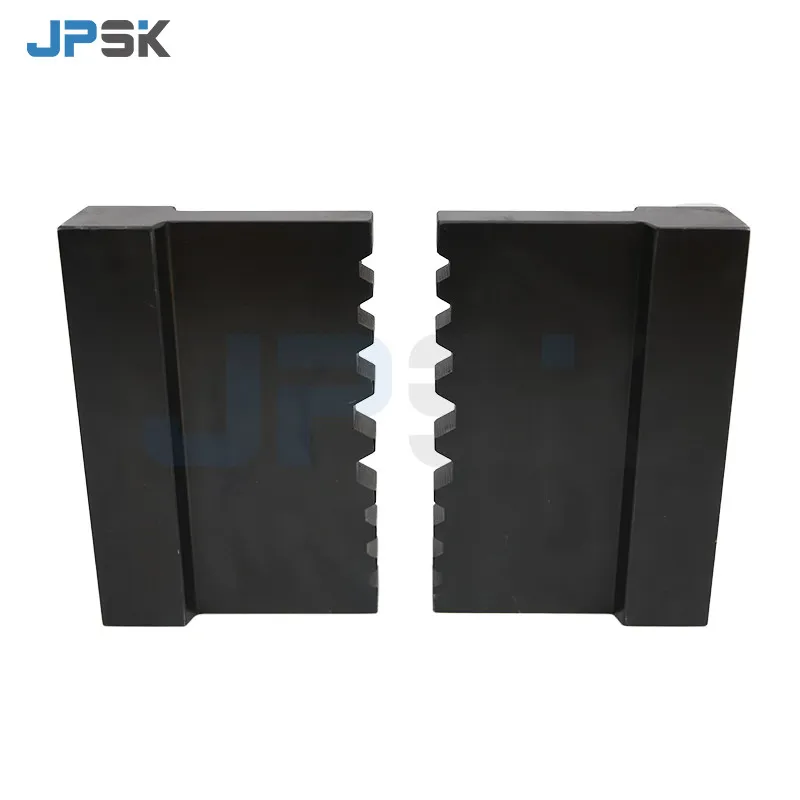
Before delving into optimization strategies, it's essential to understand the basic components and functions of a copper rod bending mold. A typical copper rod bending mold consists of a die, a punch, and a support structure. The die provides the shape and contour for the bent copper rod, while the punch applies the force necessary to bend the rod into the desired shape. The support structure holds the die and punch in place and ensures proper alignment during the bending process.
The design of the mold structure must take into account several factors, including the material properties of the copper rod, the desired bending angle and radius, and the production volume. Different types of copper alloys have varying levels of hardness, ductility, and elasticity, which can affect the bending process and the performance of the mold. For example, harder copper alloys may require a more robust mold structure to withstand the higher forces involved in bending, while softer alloys may be more prone to deformation and require a more precise mold design to achieve the desired shape.
Key Considerations for Mold Structure Optimization
Material Selection
The choice of materials for the mold components is crucial for optimizing the structure of a copper rod bending mold. High-quality tool steels, such as D2, A2, and H13, are commonly used for the die and punch due to their excellent hardness, wear resistance, and toughness. These materials can withstand the high pressures and friction generated during the bending process, ensuring a long service life for the mold.
In addition to the tool steel, the support structure of the mold can be made from materials such as cast iron or steel plate. Cast iron is a popular choice for its high strength, good damping properties, and low cost. Steel plate, on the other hand, offers greater flexibility in design and can be easily machined to meet specific requirements.
Geometric Design
The geometric design of the mold, including the shape and dimensions of the die and punch, has a significant impact on the bending process and the quality of the bent copper rod. The die should be designed with a smooth and precise surface finish to minimize friction and prevent damage to the copper rod. The bending radius of the die should be carefully selected to match the desired bending radius of the copper rod, taking into account the material properties and the bending angle.
The punch should be designed to apply a uniform force across the cross-section of the copper rod to ensure a consistent bend. The shape of the punch can be optimized to reduce the risk of cracking or deformation in the copper rod during the bending process. For example, a rounded punch tip can help distribute the force more evenly and prevent stress concentrations at the bending point.
Cooling and Lubrication
Proper cooling and lubrication are essential for optimizing the performance of a copper rod bending mold. During the bending process, friction between the copper rod and the mold components generates heat, which can cause wear and damage to the mold. Cooling channels can be incorporated into the mold design to dissipate heat and maintain a stable operating temperature.

Lubrication is also important to reduce friction and prevent sticking between the copper rod and the mold. A suitable lubricant can be applied to the surface of the copper rod or the mold components before the bending process. The choice of lubricant depends on the material properties of the copper rod and the mold, as well as the operating conditions.
Advanced Optimization Techniques
Finite Element Analysis (FEA)
Finite Element Analysis (FEA) is a powerful tool for optimizing the structure of a copper rod bending mold. FEA allows engineers to simulate the bending process and analyze the stress and strain distribution in the mold components. By using FEA, engineers can identify potential areas of weakness in the mold structure and make design modifications to improve its performance.
For example, FEA can be used to optimize the shape and dimensions of the die and punch to reduce stress concentrations and improve the distribution of forces during the bending process. FEA can also be used to analyze the effect of different cooling and lubrication strategies on the performance of the mold.
Additive Manufacturing
Additive manufacturing, also known as 3D printing, is an emerging technology that offers new opportunities for optimizing the structure of copper rod bending molds. Additive manufacturing allows for the production of complex geometries and customized mold designs that are difficult or impossible to achieve using traditional manufacturing methods.
With additive manufacturing, it is possible to create molds with internal cooling channels and other features that can improve the performance and efficiency of the bending process. Additive manufacturing also offers the potential for rapid prototyping and reduced lead times, allowing for faster design iterations and optimization.
The Importance of Quality Control
Quality control is an essential part of the mold optimization process. Regular inspections and maintenance of the mold can help identify and address any issues before they cause significant problems. Non-destructive testing methods, such as ultrasonic testing and magnetic particle inspection, can be used to detect cracks and other defects in the mold components.
In addition to inspections, it is important to monitor the performance of the mold during the bending process. Parameters such as the bending force, the bending angle, and the surface finish of the bent copper rod should be measured and recorded to ensure that the mold is operating within the specified tolerances. Any deviations from the expected performance should be investigated and corrected promptly.
Conclusion
Optimizing the structure of a copper rod bending mold is a complex process that requires a thorough understanding of the material properties, the bending process, and the design principles. By carefully considering the material selection, geometric design, cooling and lubrication, and advanced optimization techniques, it is possible to improve the performance and longevity of the mold.
As a supplier of Copper Rod Bending Mold, we are committed to providing our customers with high-quality molds that are optimized for their specific applications. We also offer a range of related products, such as Cable Connector Processing Mold and U-Shape Bending Mold, to meet the diverse needs of our customers.
If you are interested in learning more about our copper rod bending molds or have any questions about mold optimization, please feel free to contact us. Our team of experts is ready to assist you in finding the best solution for your copper rod bending needs.
References
- Smith, J. (2018). Handbook of Metal Forming. Elsevier.
- Davis, J. R. (2001). Copper and Copper Alloys. ASM International.
- Kalpakjian, S., & Schmid, S. R. (2014). Manufacturing Engineering and Technology. Pearson.


