

Rust is a persistent enemy when it comes to metal tools and equipment, and copper rod bending molds are no exception. As a supplier of high - quality copper rod bending molds, I understand the importance of keeping these molds in pristine condition. Rust not only affects the appearance of the molds but also can compromise their functionality, leading to sub - standard bent copper rods and potentially costly production delays. In this blog, I'll share some effective strategies to prevent rust on copper rod bending molds.
Understanding the Causes of Rust on Copper Rod Bending Molds
Before we delve into prevention methods, it's crucial to understand what causes rust on copper rod bending molds. Rust, in the context of copper, is a form of corrosion that occurs when copper reacts with oxygen, moisture, and other environmental factors.
Moisture is one of the primary culprits. When the molds are exposed to high humidity, water droplets can form on their surface. Over time, these water droplets create an ideal environment for the oxidation process to occur. Additionally, exposure to chemicals such as acids, alkalis, or salts can accelerate the corrosion process. For example, if the molds are used in an industrial setting where there are airborne chemicals or if they come into contact with cleaning agents that are too harsh, rust can develop more rapidly.

Proper Storage Conditions
One of the most fundamental steps in preventing rust on copper rod bending molds is to ensure proper storage. The storage environment should be dry and well - ventilated. A humidity level below 50% is ideal. You can use a dehumidifier in the storage area to maintain this level.
The molds should be stored in a clean and dust - free space. Dust can trap moisture against the mold surface, promoting rust formation. It's also a good idea to store the molds on a rack or in a cabinet rather than directly on the floor, as the floor may be more prone to moisture accumulation.
If possible, separate the molds from other metal objects that may be prone to rusting. Different metals can create a galvanic cell when in contact, which can accelerate the corrosion of the copper molds. For instance, if a copper rod bending mold is stored next to an iron object, the iron may corrode faster, and the corrosion products can transfer to the copper mold, increasing the risk of rust.
Regular Cleaning and Maintenance
Regular cleaning is essential for preventing rust. After each use, the molds should be cleaned to remove any debris, such as copper shavings or lubricants. Use a soft brush or a cloth to gently wipe the surface of the mold. Avoid using abrasive materials that can scratch the copper surface, as scratches can provide sites for rust to start.
For more stubborn dirt or contaminants, you can use a mild cleaning solution. A mixture of warm water and a small amount of dish soap is usually sufficient. After cleaning, rinse the mold thoroughly with clean water to remove any soap residue. Then, dry the mold completely using a clean, dry cloth or by air - drying in a well - ventilated area.
In addition to cleaning, regular maintenance checks should be performed. Inspect the molds for any signs of damage or wear. If there are any scratches or dents, they should be repaired promptly. Minor scratches can be smoothed out using fine - grit sandpaper, followed by polishing to restore the smooth surface of the copper.
Applying Protective Coatings
Applying a protective coating is an effective way to prevent rust on copper rod bending molds. There are several types of coatings available, each with its own advantages.
One option is a clear lacquer. Clear lacquers provide a thin, transparent layer of protection that prevents oxygen and moisture from reaching the copper surface. They are relatively easy to apply and can be found in most hardware stores. Before applying the lacquer, make sure the mold surface is clean and dry. Apply the lacquer in thin, even coats, following the manufacturer's instructions. Allow each coat to dry completely before applying the next one.
Another type of protective coating is a wax - based product. Wax coatings create a barrier between the copper and the environment. They are particularly useful for molds that are not in constant use. Apply the wax using a soft cloth, rubbing it onto the mold surface in a circular motion. Then, buff the wax to a shine. Wax coatings need to be reapplied periodically, especially after cleaning or extended use.
Using Rust - Preventive Agents
There are also rust - preventive agents specifically designed for metal surfaces. These agents can be sprayed or wiped onto the copper rod bending molds. They work by forming a chemical barrier that inhibits the oxidation process.
Some rust - preventive agents contain corrosion inhibitors that react with the copper surface to create a protective layer. Others work by displacing moisture from the surface. When choosing a rust - preventive agent, make sure it is compatible with copper and does not leave any residues that could affect the performance of the molds.
Before applying the rust - preventive agent, clean the mold as described above. Then, apply the agent according to the manufacturer's instructions. Some agents may require a certain amount of time to dry or cure, so be patient and allow the process to complete.
Choosing the Right Molds for the Application
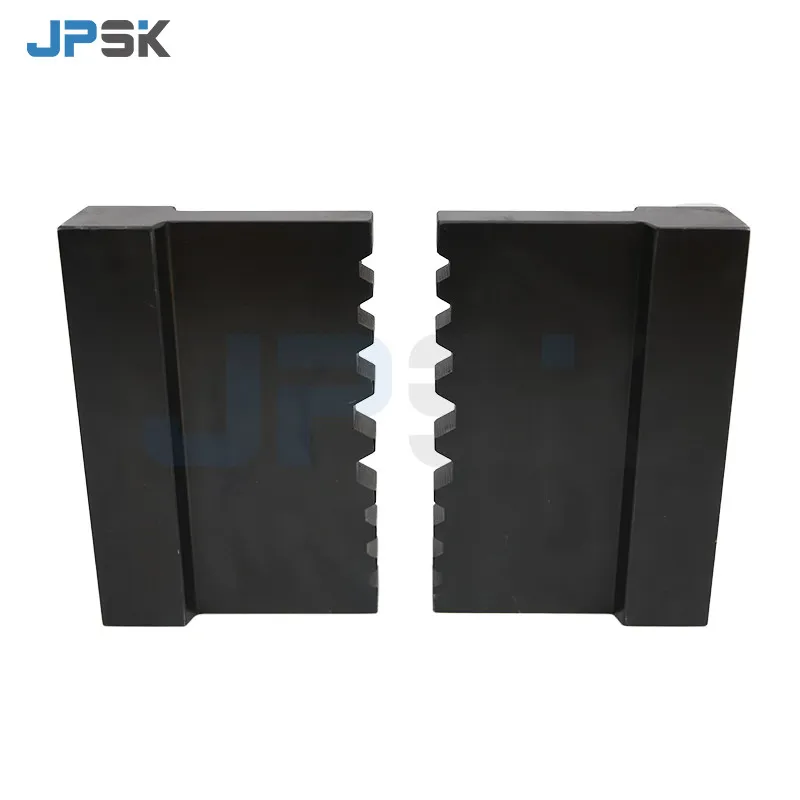
As a supplier, I offer a variety of copper rod bending molds, such as the Vertical Bending Mold, U - Shape Bending Mold, and Cable Connector Processing Mold. Choosing the right mold for the specific application can also contribute to rust prevention.
For example, if the application involves bending copper rods in a high - humidity environment, a mold with a more robust protective coating or made from a more corrosion - resistant copper alloy may be a better choice. Consider the frequency of use, the type of copper rods being bent, and the environmental conditions when selecting a mold.
Training and Education for Users
Proper use and handling of the copper rod bending molds are also crucial for rust prevention. Provide training and education to the users of the molds. Teach them about the importance of cleaning, storage, and maintenance. Make sure they understand how to use the molds correctly to avoid unnecessary damage or exposure to rust - causing factors.
For example, show them how to use the right lubricants during the bending process. Lubricants not only reduce friction but can also provide some protection against rust. However, using the wrong type of lubricant can attract dirt and moisture, so it's important to choose the appropriate one.
Conclusion
Preventing rust on copper rod bending molds is a multi - faceted approach that involves proper storage, regular cleaning and maintenance, the use of protective coatings and rust - preventive agents, choosing the right molds, and educating the users. By implementing these strategies, you can extend the lifespan of your copper rod bending molds, ensure consistent performance, and save on replacement costs.
If you're in the market for high - quality copper rod bending molds or need more information on rust prevention, don't hesitate to contact us for a purchase negotiation. We're here to provide you with the best products and solutions for your copper rod bending needs.
References
- "Corrosion of Copper and Copper Alloys" by ASM International
- "Handbook of Metal Finishings" by George S. Brady and Henry R. Clauser
- Manufacturer's guides for copper rod bending molds and rust - preventive agents


