

Hey there! I'm a supplier of flat bending molds, and I've been in this business for quite some time. Over the years, I've learned a thing or two about the environmental requirements for using these molds. In this blog post, I'll share my insights with you, so you can make sure you're using your flat bending molds in the right conditions.
First off, let's talk about temperature. The temperature of the environment where you use your flat bending mold can have a big impact on its performance. Most flat bending molds are designed to work within a specific temperature range. Generally, a temperature between 20°C and 30°C is ideal. If it's too cold, the material being bent might become brittle, and the mold could experience more stress during the bending process, which could lead to cracks or even breakage. On the other hand, if it's too hot, the mold material might soften, losing its shape and precision.
For example, if you're working in a factory where the temperature isn't regulated properly and it drops below 10°C in winter, you'll notice that the bending process becomes more difficult. The metal you're bending might not bend as smoothly as it should, and you might end up with a lot of rejects.
Another important environmental factor is humidity. High humidity can cause corrosion on the surface of the flat bending mold. When the mold gets corroded, its surface becomes rough, which can affect the quality of the bent products. The corrosion can also weaken the structure of the mold over time, reducing its lifespan.
I remember one time, a customer of mine was using our flat bending molds in a coastal area where the humidity was constantly high. They didn't take proper precautions, and within a few months, they started to notice rust spots on the molds. This led to uneven bending results and a significant decrease in the mold's performance.
Dust and debris in the environment can also be a problem. If there's a lot of dust around, it can get into the moving parts of the flat bending mold. This can cause increased friction, which not only makes the bending process less efficient but also wears out the mold faster. For instance, in a construction site where there's a lot of dust from concrete and other building materials, the flat bending molds need to be cleaned regularly to prevent dust from causing damage.
Now, let's talk about the cleanliness of the working area. A clean working area is essential for using flat bending molds. Any foreign objects on the mold or the material being bent can cause defects in the final product. For example, if there's a small piece of metal or dirt on the mold surface, it can leave a mark on the bent product.
I'd also like to mention the importance of proper ventilation. When using flat bending molds, especially if you're using lubricants or coolants during the bending process, proper ventilation is necessary. These substances can release fumes, and inhaling them can be harmful to the operators. Good ventilation helps to keep the air clean and safe.
As a flat bending mold supplier, I've seen a wide range of flat bending molds, such as the Cable Connector Processing Mold, Seamless Bending Mold, and One-Time Forming Bending Mold. Each of these molds has its own unique environmental requirements, but the general principles of temperature, humidity, cleanliness, and ventilation apply to all of them.
If you're in the market for high - quality flat bending molds, I'd love to have a chat with you. Whether you're a small workshop or a large manufacturing company, I can provide you with the right molds that meet your specific needs. Just reach out to me, and we can start discussing your requirements and how I can help you get the best results with your flat bending operations.

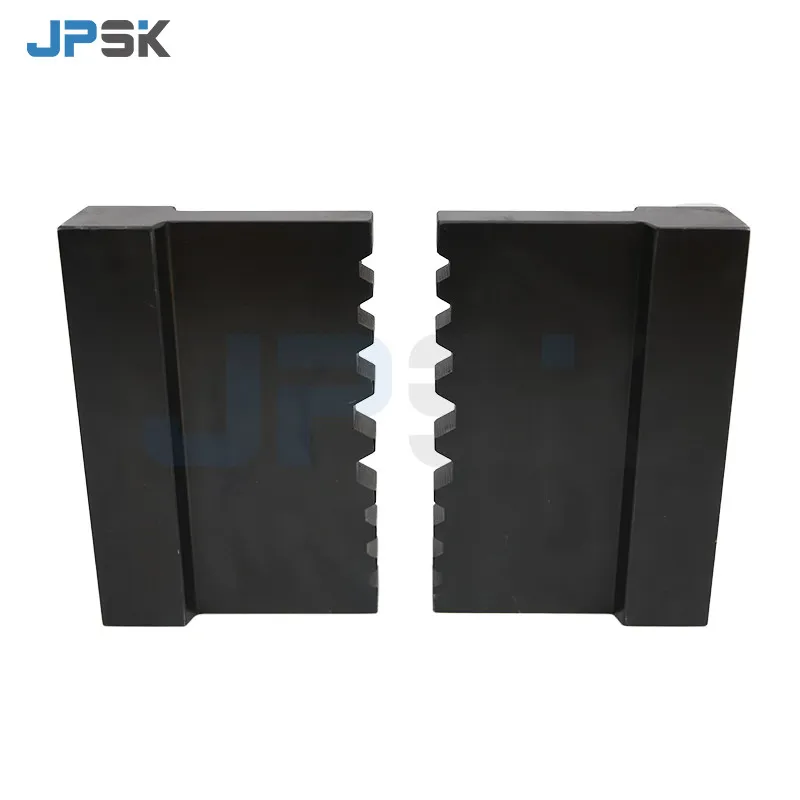
In conclusion, paying attention to the environmental requirements for using flat bending molds is crucial. By maintaining the right temperature, humidity, cleanliness, and ventilation, you can ensure that your molds perform at their best and last for a long time. This will not only save you money in the long run but also improve the quality of your products. So, if you have any questions or need more information about flat bending molds and their environmental requirements, don't hesitate to contact me.
References
- "Mold Design and Manufacturing Handbook"
- Industry reports on metal bending processes and mold usage


