

Hey there! As a supplier of copper busbar tools, I've had my fair share of chats with folks who are a bit confused about the difference between manual and electric copper busbar tools. So, I thought I'd put together this blog to clear things up.
Let's start with manual copper busbar tools. These are the old - school workhorses. They've been around for ages and are still a popular choice in many workshops. One of the biggest advantages of manual tools is their simplicity. You don't need any fancy power source or complex setup. All you need is a bit of elbow grease and you're good to go.
Take the manual busbar cutter, for example. It's a straightforward tool. You place the copper busbar in the right position, and then you use a lever or a hand - operated mechanism to cut through it. It's like using a big pair of scissors, but for busbars. This simplicity means that there's less that can go wrong. There are no motors to break down, no electrical components to malfunction. And if something does go wrong, it's usually pretty easy to fix. You can often find the problem just by looking at the tool and use basic hand tools to make the repairs.
Another plus for manual tools is their portability. Since they don't rely on electricity, you can take them anywhere. Whether you're working on a job site in the middle of nowhere or just moving around your own workshop, you don't have to worry about finding an electrical outlet. This makes them great for small - scale projects or for quick repairs on the go.

However, manual tools do have their drawbacks. The biggest one is the amount of physical effort required. Cutting or punching thick copper busbars by hand can be really tough work. It takes a lot of strength and can be quite tiring, especially if you have to do a large number of cuts or punches. This means that the work process is slower compared to electric tools. You might not be able to get as much done in a day, which can be a problem if you're on a tight schedule.
Now, let's talk about electric copper busbar tools. These are the modern counterparts of manual tools, and they've really changed the game in the busbar processing industry. Electric tools are powered by electricity, either from a mains supply or a battery. This gives them a huge advantage in terms of power and speed.

An electric Busbar Cutting Machinery can cut through copper busbars like a hot knife through butter. The motor provides a consistent and powerful force, allowing you to make clean and precise cuts in a fraction of the time it would take with a manual tool. Similarly, an Busbar Puncher Machine can punch holes in busbars quickly and accurately. You just need to set the parameters, and the machine does the rest.
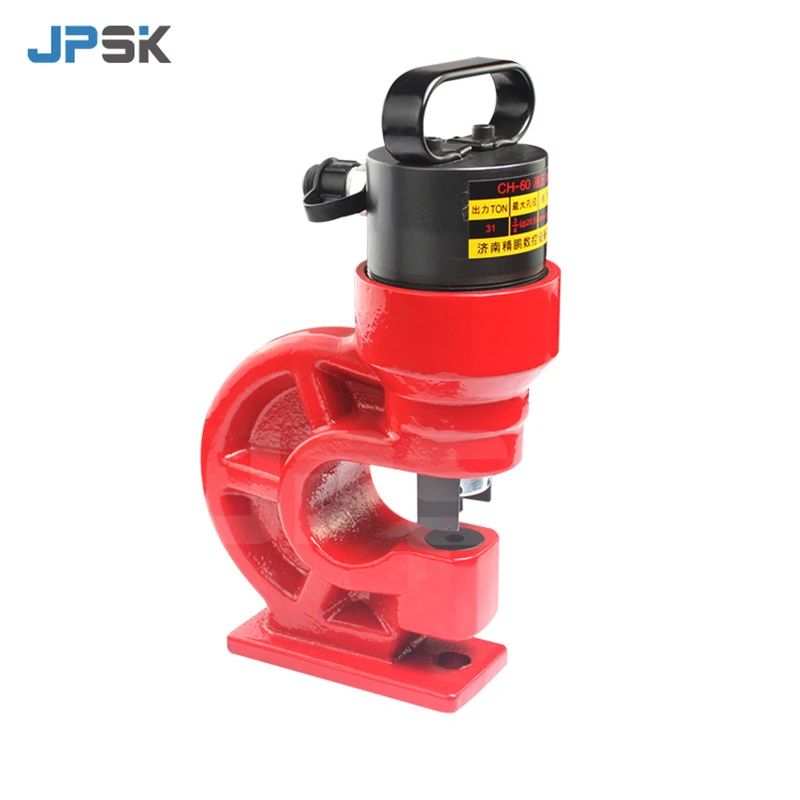
The precision of electric tools is also a major selling point. They can be programmed or adjusted to make very specific cuts or punches. This is especially important in industries where accuracy is crucial, like in electrical panel manufacturing. Electric tools can ensure that all the busbars are cut and punched to the exact same specifications, which helps in the overall quality and functionality of the final product.
In addition, electric tools are more ergonomic. You don't have to put in all that physical effort, so you're less likely to get tired or injured. This is great for workers who have to do a lot of busbar processing on a daily basis. It allows them to work more comfortably and for longer periods of time.
But electric tools aren't perfect either. One of the main issues is their dependence on electricity. If you're working in a place without a reliable power source, you're out of luck. And even if you're using a battery - powered tool, the battery will eventually run out, and you'll have to wait for it to recharge.
Another drawback is the cost. Electric tools are generally more expensive than manual ones. Not only do you have to pay more for the initial purchase, but there are also ongoing costs like electricity bills and maintenance. The complex electrical components in these tools can also be more difficult and expensive to repair if they break down.

Let's also talk about the Copper Busbar Cutting Machine. There are both manual and electric versions of this machine. The manual one is a great option for small - scale operations or for those on a tight budget. It's simple to use and doesn't require any special training. On the other hand, the electric copper busbar cutting machine is ideal for large - scale production. It can handle thick busbars with ease and can produce a large number of cuts in a short period of time.
So, which type of tool is right for you? Well, it depends on your specific needs. If you're a small - time electrician or a hobbyist who only does occasional busbar work, a manual tool might be the way to go. It's affordable, easy to use, and portable. But if you're a large - scale manufacturer or a professional contractor who needs to process a lot of busbars quickly and accurately, an electric tool is probably a better choice.
At the end of the day, as a copper busbar tool supplier, I'm here to help you make the right decision. We offer a wide range of both manual and electric copper busbar tools to suit different budgets and requirements. If you're interested in learning more about our products or have any questions about which tool is best for your project, don't hesitate to get in touch. We're always happy to have a chat and help you find the perfect tool for the job.
References:
- Industry knowledge and experience in copper busbar tool supply
- Discussions with customers and professionals in the electrical and busbar processing fields


