

Hey there! As a supplier of flat bending molds, I've seen firsthand the questions that customers often have about the bending performance differences between new and old flat bending molds. Today, I'm gonna break it all down for you in this blog post.
Material and Wear
Let's start with the material aspect. A new flat bending mold is made from high - quality alloy steel or other specialized materials. These materials are heat - treated to achieve the right balance of hardness and toughness. This means they can withstand high stresses during the bending process without deforming easily. For instance, the surface of a new mold is extremely smooth, which allows the workpiece to slide smoothly during bending, reducing friction and improving the overall bending quality.
On the other hand, an old flat bending mold has endured multiple bending cycles. Over time, the constant friction from the workpieces and the high - stress forces have worn down its surface. The wear might not be visible to the naked eye at first, but as it progresses, the surface becomes rougher. This increased roughness can cause the workpiece to get stuck or scratched during the bending process. You might end up with a bent part that has a poor surface finish, which is a big no - no in many industries.
When it comes to wear, different types of bending molds face different levels of it. For example, an Embossing Mold is designed to create patterns on the workpiece. In a new embossing mold, the pattern details are sharp and precise. But as it gets older, the edges of the embossing pattern start to wear, and the patterns become less distinct. This can affect the aesthetic and functional properties of the final product.
Precision and Accuracy
Precision is key in the bending process. A new flat bending mold is manufactured to very tight tolerances. This means that when you use it to bend a workpiece, you can expect the bend angle and radius to be exactly as specified. The manufacturing process of a new mold involves advanced machining techniques like CNC milling and grinding, which ensure high - precision dimensions.
However, an old mold has likely deviated from its original specifications due to wear and tear. The repeated bending operations can cause the mold to deform slightly. As a result, the bend angle and radius of the workpieces might not match the design requirements. This can be a huge problem, especially in industries where precise dimensions are crucial, such as the electronics and aerospace industries.
Take the One - Time Forming Bending Mold as an example. It's designed to bend a workpiece in a single operation. A new one will ensure that the workpiece is bent accurately on the first try, reducing the need for rework. But an old one might not be able to achieve the same level of accuracy, leading to more waste and higher production costs.
Springback Effect
The springback effect is another important factor to consider. Springback refers to the tendency of the workpiece to return to its original shape to some extent after the bending force is removed. A new flat bending mold can be designed and adjusted to account for the springback effect of a specific material. Mold designers use computer simulations and empirical data to predict the springback amount and then adjust the mold geometry accordingly.
An old mold, however, has lost some of its ability to deal with springback. Its worn - out surface and deformed shape can make it difficult to accurately predict and compensate for the springback. This can result in workpieces that don't meet the required bend angles after the springback occurs. For example, a busbar that is supposed to have a 90 - degree bend might end up with a slightly wider angle due to inaccurate springback compensation with an old mold.
Efficiency and Productivity
In terms of efficiency, a new flat bending mold makes the bending process much faster. Its smooth surface and precise dimensions allow for a more consistent and quick bending operation. The operator doesn't have to worry about the workpiece getting stuck or having to make multiple adjustments to get the right bend.
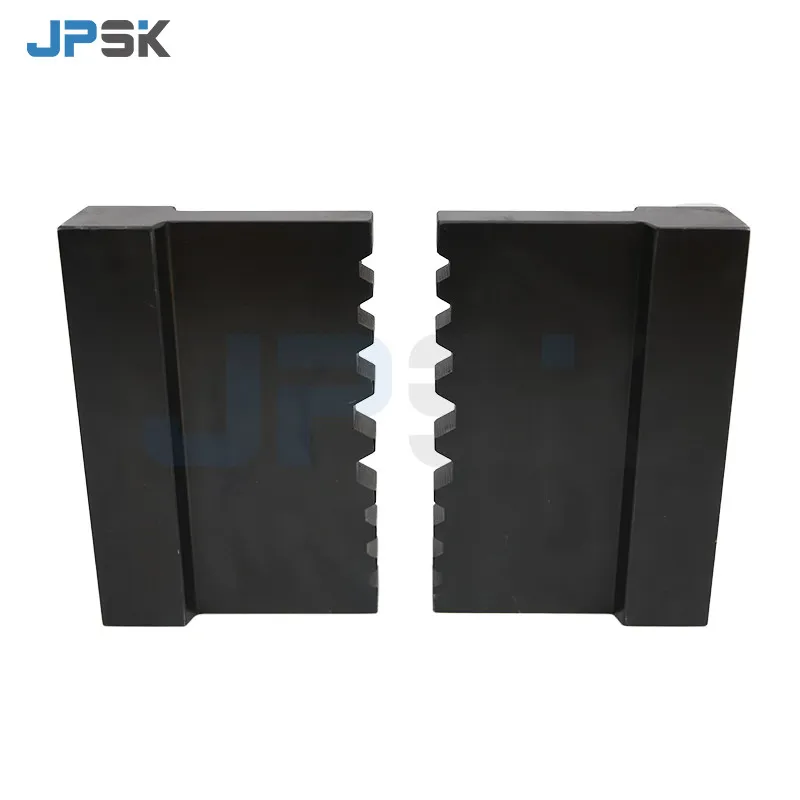

In contrast, an old mold can slow down the production line. The rough surface and inaccuracies can cause the bending process to be more time - consuming. Sometimes, the operator might need to stop the machine to remove scratches from the workpiece or to adjust the bend to match the specifications. This not only reduces the production rate but also increases the labor cost.
Let's talk about a Cable Connector Processing Mold. In high - volume production of cable connectors, a new mold can produce a large number of connectors quickly and with high quality. But an old one might require more frequent maintenance and adjustment, leading to longer production times and lower output.
Cost and Long - Term Considerations
When it comes to cost, an old mold might seem like a more economical option at first. After all, you've already paid for it, and you might think that using it until it completely breaks down is the best way to get your money's worth. However, in the long run, the costs associated with using an old mold can be much higher.
The poor bending performance of an old mold can lead to a higher rate of defective products. These defective products need to be reworked or scrapped, which adds to the production cost. Additionally, the increased downtime for maintenance and adjustment of an old mold also reduces the overall productivity and profitability.
On the other hand, investing in a new flat bending mold can bring long - term benefits. Although the initial cost is higher, the improved bending performance, higher precision, and increased efficiency can lead to cost savings in the long run. You'll have fewer defective products, less downtime, and higher production rates, which all contribute to a more profitable operation.
Conclusion
So, there you have it! The differences in bending performance between a new and an old flat bending mold are quite significant. From material wear to precision, springback, efficiency, and cost, a new mold clearly has the upper hand.
If you're in the market for a high - quality flat bending mold, or if you're looking to upgrade your old mold, don't hesitate to reach out. We're here to provide you with the best solutions for your bending needs. Whether you need an embossing mold, a one - time forming bending mold, or a cable connector processing mold, we've got you covered. Let's start a conversation and see how we can help you improve your production process and bottom line!
References
- Smith, J. (2022). "Advanced Bending Molds: Design and Performance". Industrial Press.
- Johnson, K. (2021). "The Impact of Mold Wear on Metal Bending Processes". Journal of Manufacturing Technology.


