

Hey there! As a supplier of seamless bending molds, I often get asked about how long these molds can last. It's a crucial question for anyone in the business, whether you're a small workshop owner or part of a large manufacturing company. Let's dive right into the factors that determine the lifespan of a seamless bending mold.
Material Quality
First off, the material of the mold plays a huge role. High - quality steel alloys are commonly used for seamless bending molds. These materials are chosen for their strength, hardness, and resistance to wear and tear. For instance, a mold made from a premium alloy steel can withstand the high pressures and forces involved in the bending process much better than one made from a lower - grade material.
When we use top - notch materials, the mold is less likely to deform or crack under stress. This means it can maintain its shape and precision over a longer period. However, even with the best materials, there's still a limit to how long the mold can last. It's like a high - end car; even if it's built with the best parts, it will still need maintenance and eventually reach the end of its useful life.
Bending Process Conditions
The conditions under which the bending process takes place also have a significant impact on the mold's lifespan. If the bending is done at high temperatures, it can cause the mold to expand and contract, which over time can lead to internal stresses and cracks. Similarly, if the pressure applied during bending is too high, it can put excessive strain on the mold, causing it to wear out faster.
Another aspect is the frequency of use. A mold that's used continuously for long hours every day will naturally have a shorter lifespan compared to one that's used less frequently. It's just like any other tool; the more you use it, the more it wears down.

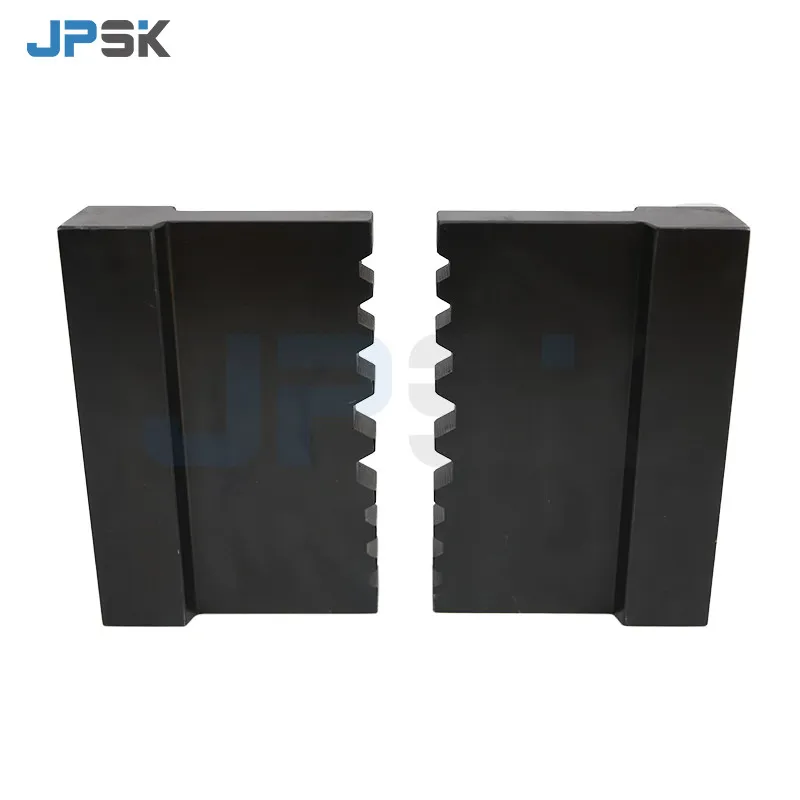
Maintenance and Care
Proper maintenance is key to extending the lifespan of a seamless bending mold. Regular cleaning is essential to remove any debris or residue that can accumulate during the bending process. This debris can cause abrasion and damage to the mold surface.
Lubrication is also important. Applying the right lubricant can reduce friction between the mold and the material being bent, which in turn reduces wear. Additionally, periodic inspections should be carried out to detect any signs of wear or damage early on. Catching these issues early allows for timely repairs, which can prevent further damage and extend the mold's life.
Design and Manufacturing Precision
The design and manufacturing precision of the mold are crucial factors. A well - designed mold will distribute the forces evenly during the bending process, reducing the stress on any one part of the mold. This means less wear and tear and a longer lifespan.
Precision manufacturing ensures that the mold has the correct dimensions and surface finish. If the mold is not manufactured to the right specifications, it may not work properly, leading to increased wear and a shorter lifespan. For example, if the radius of the bending section is not accurate, it can cause uneven stress on the material being bent and the mold itself.
Comparison with Other Molds
Let's take a look at how seamless bending molds compare to other types of molds, like the Cable Connector Processing Mold and Vertical Bending Mold.
Cable Connector Processing Molds are often used for more delicate and precise operations. They may have a different lifespan depending on the specific application. For example, if they are used to process very fine cable connectors, they may require a higher level of precision and may wear out faster due to the small size and complexity of the parts being processed.
Vertical Bending Molds, on the other hand, are designed for a specific type of bending operation. Their lifespan can be affected by factors such as the orientation of the bending and the type of material being bent. In some cases, they may have a longer or shorter lifespan compared to seamless bending molds, depending on the specific usage scenario.
Typical Lifespan Range
So, what's the typical lifespan of a seamless bending mold? Well, it can vary widely depending on all the factors we've discussed. In general, with proper maintenance and under normal operating conditions, a seamless bending mold can last anywhere from a few thousand to tens of thousands of bending cycles.
For small - scale operations with less frequent use, the mold may last for several years. However, in high - volume manufacturing environments where the mold is used constantly, it may need to be replaced every few months or a year.
How to Maximize the Lifespan
If you want to get the most out of your seamless bending mold, here are some tips. First, invest in a high - quality mold from a reputable supplier. We take pride in providing Seamless Bending Molds that are made from top - grade materials and manufactured with precision.
Second, follow a strict maintenance schedule. Clean the mold regularly, lubricate it as recommended, and conduct inspections at regular intervals. Third, optimize the bending process conditions. Make sure the temperature and pressure are within the recommended range for the mold and the material being bent.
Conclusion
In conclusion, the lifespan of a seamless bending mold is determined by a variety of factors, including material quality, bending process conditions, maintenance, design, and manufacturing precision. By understanding these factors and taking the necessary steps to maximize the mold's lifespan, you can save time and money in the long run.
If you're in the market for a seamless bending mold or have any questions about our products, don't hesitate to reach out. We're here to help you find the right mold for your needs and ensure that you get the most out of it. Let's start a conversation and see how we can work together to improve your manufacturing process.
References
- Industry reports on mold manufacturing and usage
- Internal research and development data from our company


