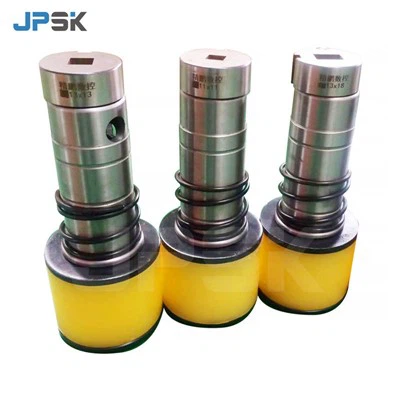
Hey there! As a punching molds supplier, I've seen firsthand how crucial it is to pick the right punching mold for a specific project. It can make or break your production process, affecting everything from the quality of your end product to your bottom line. So, let's dive into some key factors you should consider when making this important decision.
1. Understand Your Project Requirements
First things first, you gotta have a clear understanding of what your project needs. What kind of material are you working with? Is it steel, aluminum, copper, or something else? Different materials have different properties, like hardness, ductility, and thickness, which can greatly impact the type of punching mold you need.
For example, if you're punching through thick, hard steel, you'll need a mold that's made from high - strength materials and can withstand a lot of pressure. On the other hand, if you're working with thin, soft aluminum, a less robust mold might do the trick.
Also, think about the shape and size of the holes or cuts you need to make. Are you looking for simple round holes, or do you need more complex shapes like Square Hole Punching Mold? Maybe you need to punch corners, in which case a Punching Corner Mold could be the way to go.
2. Consider the Production Volume
The number of parts you need to produce is another major factor. If you're only making a small batch of parts, you might be able to get away with a less expensive, standard mold. But if you're planning on high - volume production, you'll want a mold that's durable and can handle a lot of wear and tear.
High - volume production puts a lot of stress on the mold. The constant punching can cause the mold to wear out quickly, leading to inconsistent part quality and more frequent mold replacements. So, for large - scale projects, it's worth investing in a high - quality, custom - made mold that's designed to last.
3. Evaluate the Mold Material
The material of the punching mold is super important. Common mold materials include tool steel, carbide, and high - speed steel. Tool steel is a popular choice because it's relatively inexpensive and has good strength and wear resistance. It's suitable for a wide range of applications, especially for medium - volume production.


Carbide, on the other hand, is extremely hard and wear - resistant. It's ideal for high - volume production and punching through hard materials. However, it's also more expensive than tool steel and can be more difficult to machine.
High - speed steel is known for its ability to maintain its hardness at high temperatures. This makes it a good choice for applications where the mold generates a lot of heat during the punching process.
4. Look at the Mold Design
A well - designed punching mold can improve the efficiency and quality of your production. The design should take into account factors like the material flow, the force distribution, and the ease of maintenance.
For example, a mold with a proper clearance between the punch and the die can prevent burrs and improve the quality of the punched holes. Also, a mold that's easy to disassemble and clean can reduce downtime and maintenance costs.
If your project has unique requirements that can't be met by standard molds, you might want to consider a Customized Punching Mold. A custom mold can be tailored to your specific needs, ensuring the best possible performance for your project.
5. Check the Manufacturer's Reputation
When you're choosing a punching mold, it's important to work with a reputable manufacturer. A good manufacturer will have a track record of producing high - quality molds and providing excellent customer service.
You can check online reviews, ask for references, and look at the manufacturer's portfolio to get an idea of their capabilities. A reliable manufacturer will also be able to offer technical support and advice throughout the project.
6. Cost Considerations
Of course, cost is always a factor. But remember, the cheapest option isn't always the best. A low - cost mold might save you money upfront, but it could end up costing you more in the long run if it wears out quickly or produces poor - quality parts.
When evaluating the cost of a punching mold, consider the total cost of ownership. This includes the initial purchase price, the cost of maintenance and repairs, and the cost of any downtime caused by mold failures. A high - quality mold might be more expensive at first, but it can save you money in the long term by reducing production costs and improving part quality.
7. Compatibility with Your Equipment
Make sure the punching mold you choose is compatible with your existing punching equipment. The mold should fit properly on the machine and be able to work within the machine's specifications, such as the maximum punching force and the stroke length.
If you're not sure about the compatibility, you can consult with the mold manufacturer or your equipment supplier. They can help you select a mold that will work seamlessly with your machine.
Making the Right Choice
Choosing the right punching mold for your specific project is a complex decision that requires careful consideration of multiple factors. By understanding your project requirements, considering the production volume, evaluating the mold material and design, checking the manufacturer's reputation, looking at the cost, and ensuring compatibility with your equipment, you can make an informed choice that will benefit your production process in the long run.
If you're still not sure which punching mold is right for your project, don't hesitate to reach out. As a punching molds supplier, we have the expertise and experience to help you find the perfect mold for your needs. Whether you need a standard mold or a Customized Punching Mold, we're here to assist you. Contact us to start the conversation and let's work together to take your project to the next level.
References
- "Tool and Manufacturing Engineers Handbook", Society of Manufacturing Engineers
- "Metal Forming Handbook", American Iron and Steel Institute