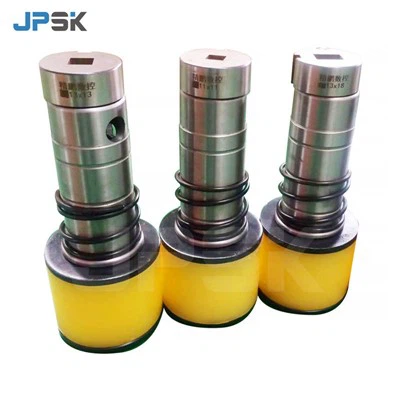
Hey there! As a supplier of vertical bending molds, I often get asked about the training required for the operators of these nifty tools. Let's dive right into it and break down what it takes to operate a vertical bending mold effectively.
Why Training is Super Important
First off, let's talk about why training is such a big deal. Operating a vertical bending mold isn't like playing a simple video game. These molds are used in fabricating all kinds of metal parts, from small components for electronic devices to large pieces in construction projects. Without proper training, operators might not only produce faulty parts but also put themselves and others at risk.
A well - trained operator can ensure the precision and quality of the bends, which is crucial for the final product's functionality. Also, they'll know how to handle the machine safely, reducing the chances of accidents in the workplace.
Basic Knowledge Training
Understanding the Machine
The first step in training is getting the operators familiar with the vertical bending mold machine itself. This includes learning about its different parts, like the bending die, clamping mechanism, and hydraulic system if it's a hydraulically - operated mold. At our company, we always start the training by walking the operators through the physical layout of the machine, explaining what each part does and how they interact.
For example, the bending die is where the actual bending happens. We show the operators how to select the right die for different bending angles and material thicknesses. The clamping mechanism is used to hold the workpiece in place during the bending process. Operators need to understand how to adjust it properly to prevent the workpiece from slipping.
Material Knowledge
Another important aspect is understanding the materials that will be bent using the vertical bending mold. Different materials, such as copper, aluminum, and steel, have different properties. For instance, copper is more malleable than steel, so it requires different bending forces and techniques.
We provide our operators with information about the mechanical properties of common materials, like their yield strength and ductility. This knowledge helps them determine the appropriate bending parameters, such as the bending force and speed, to avoid cracking or over - deforming the material.
Technical Skills Training
Programming and Setup
In modern vertical bending molds, many are equipped with programmable controls. Operators need to learn how to program the machine to achieve the desired bending angles and dimensions. This involves inputting data such as the length of the bend, the angle of the bend, and the number of bends.
We offer hands - on training on the programming interface of our machines. Our trainers guide the operators through step - by - step processes, starting from simple programs and gradually moving on to more complex ones. Along with programming, operators also need to learn how to set up the machine correctly, including installing the appropriate dies and aligning the workpiece.
Troubleshooting
Even the most well - maintained machines can encounter problems. That's why we teach our operators basic troubleshooting skills. They learn how to identify common issues, such as incorrect bending angles, die wear, or hydraulic leaks.
For example, if the bending angle is off, the operator needs to check if the program is correct, if the die is properly installed, or if there's any wear on the die. If there's a hydraulic leak, they should know how to locate the source of the leak and take appropriate measures, like tightening the connections or replacing the seals.
Safety Training
There's no doubt that safety should always come first when operating a vertical bending mold. We provide comprehensive safety training to our operators.
Personal Protective Equipment (PPE)
We start by emphasizing the importance of wearing the right PPE. This includes safety glasses to protect the eyes from flying debris, gloves to prevent hand injuries, and earplugs if the machine is noisy. We make sure that the operators understand when and how to use each piece of PPE correctly.
Machine Safety Features
Our vertical bending molds are equipped with various safety features, such as emergency stop buttons, safety guards, and interlocks. We train the operators on how these features work and why they are essential. For example, the emergency stop button should be accessible at all times, and operators need to know when to use it in case of an emergency.
Training Methods
We use a combination of methods to train our operators. Classroom sessions are a great way to cover theoretical knowledge, such as material properties and machine components. We use visual aids like diagrams and videos to make the learning process more engaging.
Hands - on training is where the real learning happens. Our operators get to work with the actual vertical bending molds under the supervision of experienced trainers. They start with simple tasks and gradually take on more complex jobs as their skills improve.
On - the - job training provides continuous learning opportunities. As the operators work on different projects, they encounter new challenges and learn how to solve them. Our trainers are always available to offer guidance and answer questions.
Industry Standards and Certifications
In the metal - bending industry, there are certain standards and certifications that operators should be aware of. For example, ISO standards provide guidelines for quality management in manufacturing processes. Getting certified in relevant standards not only enhances the operator's skills but also adds credibility to our products.
We encourage our operators to pursue certifications that are recognized in the industry. These certifications can open up more career opportunities for them and also show our customers that we are committed to maintaining high - quality standards.
Resources for Further Learning
If you're interested in learning more about vertical bending molds and the training required, there are several resources available. You can check out industry magazines and online forums where professionals share their experiences and knowledge. You can also visit websites like Cable Connector Processing Mold, Vertical Bending Mold, and Copper Rod Bending Mold for detailed information about different types of bending molds.


Wrapping Up and Invitation
In conclusion, training for operators of vertical bending molds is a multi - faceted process that includes basic knowledge, technical skills, and safety training. A well - trained operator is the key to producing high - quality bent parts efficiently and safely.
If you're in the market for a vertical bending mold or want to learn more about our training programs, feel free to reach out. We're always happy to have a chat and see how we can meet your needs. Whether you're a small - scale workshop or a large manufacturing plant, we've got the right solutions for you.
References
- Metal Fabrication Handbook
- Industry Best Practices for Bending Machine Operation
- ISO 9001:2015 Quality Management System Standards