

Programming the control system of a twist bending mold is a complex yet rewarding task that requires a deep understanding of both mechanical and electrical engineering principles. As a twist bending mold supplier, I've had the privilege of working on numerous projects, each presenting unique challenges and opportunities. In this blog post, I'll share some insights and steps on how to program the control system of a twist bending mold effectively.
Understanding the Twist Bending Mold
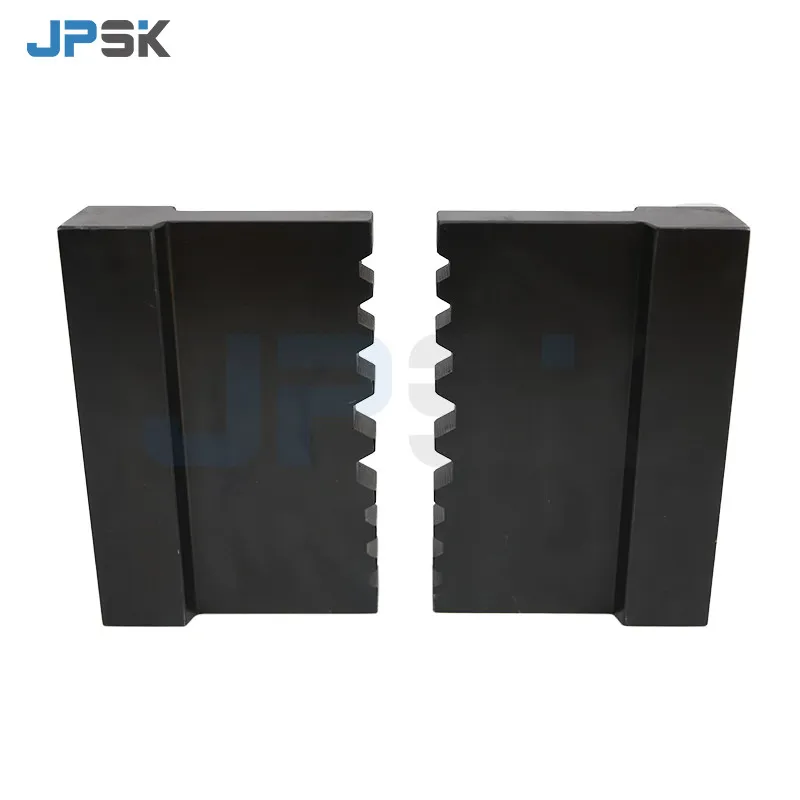
Before diving into the programming, it's crucial to understand the twist bending mold itself. A Twist Bending Mold is designed to bend and twist materials, typically metal bars, into specific shapes. The mold consists of various components, including the bending die, twisting mechanism, and clamping system. Each component needs to work in harmony to achieve the desired bending and twisting results.
Key Considerations for the Control System
The control system of a twist bending mold is responsible for coordinating the movement of the various components. Here are some key considerations when programming the control system:
1. Precision and Accuracy
The control system must be able to position the bending and twisting components with high precision. This is crucial for ensuring that the final product meets the required specifications. For example, if the twist angle is off by a few degrees, it can significantly affect the functionality of the bent part.
2. Safety
Safety is of utmost importance when programming the control system. The system should include features such as emergency stop buttons, limit switches, and overload protection. These features help prevent accidents and damage to the mold and the machine.
3. Compatibility
The control system should be compatible with the existing hardware of the twist bending mold. This includes the motors, sensors, and actuators. Compatibility ensures that the control system can communicate effectively with the hardware and control its operation.
Steps to Program the Control System
Step 1: Define the Requirements
The first step in programming the control system is to define the requirements. This includes determining the desired bending and twisting angles, the speed of the operation, and the number of cycles. The requirements should be based on the specifications of the final product and the capabilities of the twist bending mold.
Step 2: Select the Control Platform
Once the requirements are defined, the next step is to select the control platform. There are various control platforms available, such as programmable logic controllers (PLCs), microcontrollers, and industrial computers. The choice of the control platform depends on the complexity of the control system and the specific requirements of the project.
Step 3: Design the Control Logic
After selecting the control platform, the next step is to design the control logic. The control logic defines how the control system will operate. It includes the sequence of operations, the conditions for starting and stopping the operations, and the feedback mechanisms. The control logic can be designed using ladder diagrams, function block diagrams, or structured text.
Step 4: Write the Program Code
Once the control logic is designed, the next step is to write the program code. The program code is written in the programming language supported by the control platform. The program code should implement the control logic and communicate with the hardware of the twist bending mold.
Step 5: Test and Debug the Program
After writing the program code, the next step is to test and debug the program. The program can be tested using a simulator or a test bench. The testing process involves verifying that the program performs the desired operations and that the control system operates safely and accurately. If any errors or issues are found during the testing process, they should be fixed.
Step 6: Implement the Program
Once the program is tested and debugged, the next step is to implement the program on the actual twist bending mold. This involves uploading the program code to the control platform and configuring the hardware of the twist bending mold. The implementation process should be carried out carefully to ensure that the control system operates smoothly.
Examples of Other Related Molds
In addition to the twist bending mold, there are other types of bending molds that you might be interested in. For example, the U-Shape Bending Mold is used to bend materials into a U-shape. It is commonly used in the manufacturing of electrical enclosures and brackets. Another example is the Cable Connector Processing Mold, which is used to process cable connectors. This type of mold is designed to ensure the precise and efficient production of cable connectors.
Conclusion
Programming the control system of a twist bending mold is a challenging but achievable task. By understanding the requirements, selecting the right control platform, designing the control logic, writing the program code, testing and debugging the program, and implementing the program on the actual twist bending mold, you can ensure that the control system operates safely and accurately.

If you are interested in purchasing a twist bending mold or have any questions about programming the control system, please feel free to contact us for further discussion and negotiation. Our team of experts is ready to assist you in finding the best solution for your needs.
References
- [Title of Book 1], Author: [Author's Name 1], Publisher: [Publisher's Name 1, Publication Year: [Year 1]
- [Title of Book 2], Author: [Author's Name 2], Publisher: [Publisher's Name 2, Publication Year: [Year 2]


