

Hey there! I'm a supplier of busbar machines, and today I'm gonna talk about the materials that a busbar machine can process. Busbar machines are pretty versatile tools in the electrical industry, and understanding what materials they can handle is super important for anyone looking to work with busbars.
First off, let's start with copper. Copper is one of the most commonly used materials for busbars, and for good reason. It has excellent electrical conductivity, which means it can carry a large amount of electrical current with minimal loss. This makes it ideal for high - power applications. A busbar machine can easily cut, punch, and bend copper busbars. Whether you're working with thin copper sheets or thick copper bars, our High Precision Busbar Processing Machine can handle it. The cutting process is precise, leaving clean edges that are essential for proper electrical connections. Punching holes in copper busbars is also a breeze, allowing for easy installation of bolts and other connection components. And when it comes to bending, the machine can achieve accurate angles, ensuring that the busbars fit perfectly into the electrical system.
Aluminum is another material that busbar machines can process. Aluminum is lighter and more affordable than copper, which makes it a popular choice for some applications. Although its electrical conductivity is not as high as copper, it still offers decent performance. Our busbar machine can deal with aluminum busbars just as well as copper ones. The cutting mechanism can slice through aluminum bars smoothly, and the punching function creates holes without causing any cracks or deformations. Bending aluminum busbars is also straightforward, and the machine can maintain the integrity of the material during the bending process. This is crucial because any damage to the aluminum busbar can affect its electrical performance.
Steel is a bit different from copper and aluminum, but it also has its place in the busbar world. Steel busbars are often used in applications where mechanical strength is more important than high electrical conductivity. For example, in some industrial settings where the busbars need to withstand physical stress. Our busbar machine can process steel busbars, but it might require a bit more power and specific tooling. The cutting of steel busbars may take a bit longer compared to copper or aluminum, but the machine is up to the task. Punching holes in steel requires a robust punching mechanism, and our machine is designed with that in mind. Bending steel busbars is also possible, although the angles need to be carefully calculated due to the material's higher stiffness.
Brass is also on the list of materials that a busbar machine can handle. Brass is an alloy of copper and zinc, and it combines some of the best properties of both metals. It has good electrical conductivity and is relatively easy to machine. Our busbar machine can cut, punch, and bend brass busbars with ease. The cutting process results in smooth edges, and the punching creates clean holes. Bending brass busbars can be done to achieve various shapes, making it suitable for different electrical designs.
In addition to these common metals, some busbar machines can also process composite materials. Composite busbars are becoming more popular because they can offer a combination of properties such as high electrical conductivity, light weight, and corrosion resistance. Our high - precision busbar processing machine has the ability to work with certain types of composite materials. However, the processing parameters may need to be adjusted according to the specific composition of the composite. For example, the cutting speed and pressure may need to be optimized to avoid damaging the material.
Now, let's talk a bit about the importance of choosing the right material for your busbars. The choice depends on several factors, such as the electrical load, the environment in which the busbars will be used, and the budget. If you're dealing with a high - power electrical system, copper is probably the best choice due to its superior conductivity. But if you're on a tight budget and the electrical load is not extremely high, aluminum could be a great alternative. For applications where mechanical strength is crucial, steel might be the way to go.
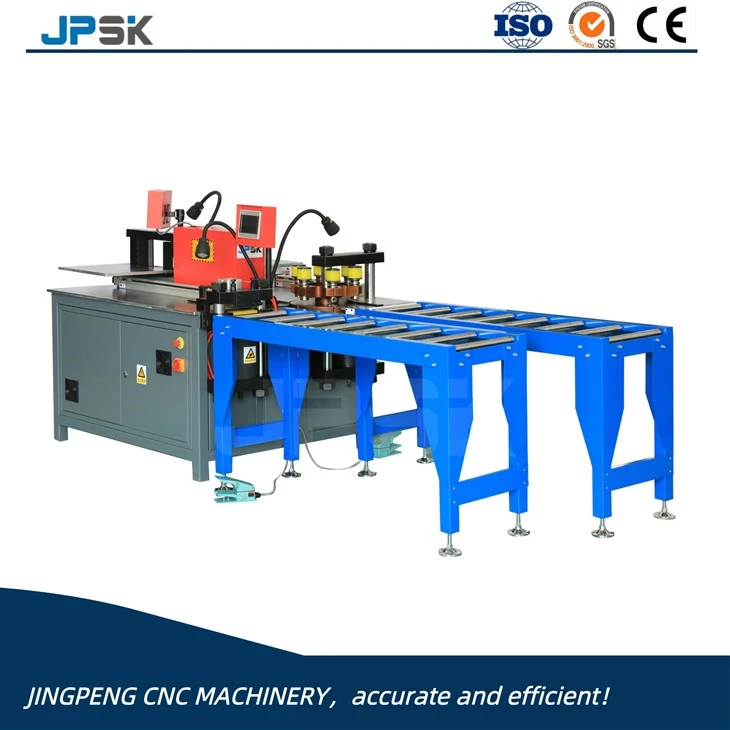
When it comes to using a busbar machine to process these materials, it's important to follow the proper operating procedures. Make sure to select the right tooling for the material you're working with. For example, using a dull blade when cutting copper or aluminum can result in rough edges and may even damage the machine. Also, always wear appropriate safety gear, such as gloves and safety glasses, to protect yourself during the processing.
Our busbar machines are designed to be user - friendly and efficient. They are equipped with advanced control systems that allow for precise adjustments of the cutting, punching, and bending operations. Whether you're a small electrical workshop or a large industrial manufacturer, our machines can meet your needs.
If you're in the market for a busbar machine or have any questions about the materials that can be processed, don't hesitate to reach out. We're here to help you make the right choice for your business. Whether you need to process copper, aluminum, steel, brass, or composite materials, our High Precision Busbar Processing Machine is up for the task. Contact us for more information and let's start a conversation about how we can help you with your busbar processing needs.
References:
- Electrical Engineering Handbook: Covers general information about busbars and their materials.
- Manufacturer's Manuals: Provide detailed information on the capabilities of busbar machines.


