

As a supplier of busbar machines, I understand the critical importance of repeatability in these essential industrial tools. Repeatability refers to the ability of a busbar machine to consistently produce the same results under the same operating conditions over multiple cycles. High repeatability is crucial for ensuring product quality, reducing waste, and increasing overall efficiency in busbar manufacturing processes. In this blog post, I will share some practical strategies on how to improve the repeatability of a busbar machine.
1. Regular Maintenance and Calibration
One of the most fundamental steps in improving the repeatability of a busbar machine is regular maintenance and calibration. Over time, the components of a busbar machine can wear out, leading to variations in performance. By implementing a comprehensive maintenance schedule, you can ensure that all moving parts are properly lubricated, belts are tightened, and electrical connections are secure.
Calibration is equally important. It involves adjusting the machine's settings to ensure that it operates within the specified tolerances. For example, the cutting blade's position, punching force, and bending angle should be calibrated regularly to maintain consistent results. A well - calibrated machine is more likely to produce busbars with the same dimensions and quality every time.
According to industry best practices, maintenance and calibration should be performed at least once every few months, depending on the frequency of use. This proactive approach can prevent small issues from turning into major problems that affect repeatability.
2. Quality Control of Input Materials
The quality of the input materials used in busbar manufacturing has a significant impact on the repeatability of the machine. Busbars are typically made from copper or aluminum, and variations in the material's properties, such as hardness, thickness, and surface finish, can lead to inconsistent results.
As a supplier, I recommend working with reliable material suppliers who can provide high - quality, consistent materials. Conducting incoming material inspections is also essential. You can use techniques such as thickness gauging, hardness testing, and visual inspections to ensure that the materials meet the required specifications. By using high - quality and consistent materials, the busbar machine can operate more predictably, resulting in better repeatability.
3. Operator Training and Skill Development
The operator plays a crucial role in the repeatability of a busbar machine. An experienced and well - trained operator is more likely to operate the machine correctly and consistently. Therefore, providing comprehensive training to operators is essential.
Training should cover all aspects of the busbar machine, including its operation, maintenance, and safety procedures. Operators should be taught how to set up the machine correctly, adjust the settings for different busbar sizes and shapes, and troubleshoot common issues. Regular skill development programs can also help operators stay up - to - date with the latest techniques and best practices in busbar manufacturing.
In addition, establishing standard operating procedures (SOPs) can help ensure that all operators follow the same steps when using the machine. SOPs should include detailed instructions on how to load the materials, start the machine, and perform the necessary operations. By standardizing the operating procedures, the variability introduced by different operators can be minimized.
4. Use of Advanced Control Systems
Modern busbar machines are often equipped with advanced control systems that can significantly improve repeatability. These control systems use sensors and feedback mechanisms to monitor and adjust the machine's performance in real - time.
For example, a servo - controlled system can precisely control the movement of the cutting blade or the bending arm, ensuring that the busbars are cut or bent to the exact dimensions. The control system can also compensate for any variations in the material or the machine's performance by making automatic adjustments.
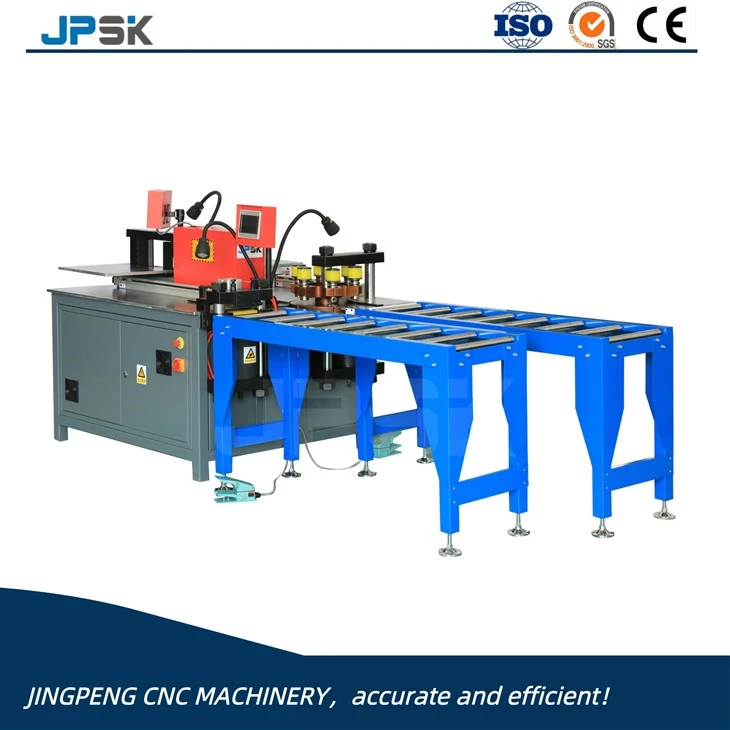
Investing in a busbar machine with an advanced control system can be a significant step towards improving repeatability. For those interested in high - precision busbar processing, I recommend checking out our High Precision Busbar Processing Machine. This machine is equipped with state - of - the - art control technology that ensures excellent repeatability and accuracy.
5. Environmental Control
The operating environment can also affect the repeatability of a busbar machine. Factors such as temperature, humidity, and vibration can cause the machine's components to expand or contract, leading to variations in performance.
To minimize the impact of the environment, it is important to operate the busbar machine in a controlled environment. For example, maintaining a stable temperature and humidity level can prevent thermal expansion and contraction of the machine's parts. Installing vibration - dampening pads can also reduce the effects of external vibrations on the machine.
6. Data Monitoring and Analysis
Implementing a data monitoring and analysis system can provide valuable insights into the performance of the busbar machine. By collecting data on key parameters such as cutting force, bending angle, and production speed, you can identify trends and patterns that may affect repeatability.
For example, if you notice a gradual increase in the cutting force over time, it may indicate that the cutting blade is wearing out. By analyzing the data, you can schedule maintenance or replacement of the blade before it affects the quality of the busbars.
Data analysis can also help you identify areas for improvement in the manufacturing process. You can use statistical process control (SPC) techniques to monitor the process and detect any variations that are outside the acceptable range. By taking corrective actions based on the data analysis, you can continuously improve the repeatability of the busbar machine.
7. Continuous Improvement
Improving the repeatability of a busbar machine is an ongoing process. It requires a commitment to continuous improvement. Regularly reviewing the manufacturing process, collecting feedback from operators and customers, and implementing changes based on the findings can help you achieve better repeatability over time.
You can also benchmark your busbar machine's performance against industry standards or competitors' machines. By identifying areas where your machine lags behind, you can set goals for improvement and develop strategies to achieve them.
In conclusion, improving the repeatability of a busbar machine is essential for ensuring high - quality busbar production. By implementing the strategies outlined in this blog post, including regular maintenance and calibration, quality control of input materials, operator training, use of advanced control systems, environmental control, data monitoring and analysis, and continuous improvement, you can significantly enhance the repeatability of your busbar machine.
If you are interested in learning more about our busbar machines or have any questions regarding improving repeatability, please feel free to contact us for a procurement discussion. We are committed to providing you with the best solutions for your busbar manufacturing needs.
References
- "Industrial Machine Maintenance Best Practices", Industry Insights Journal, 2022
- "Quality Control in Metal Fabrication", Manufacturing Technology Review, 2023
- "Advanced Control Systems for Precision Manufacturing", Automation and Robotics Magazine, 2021


