

Hey there! As a supplier of busbar machines, I've seen firsthand how crucial it is to maintain the hydraulic system of these machines. A well - maintained hydraulic system not only ensures the smooth operation of your busbar machine but also extends its lifespan. So, let's dive into how you can keep that hydraulic system in tip - top shape.
Understanding the Basics of a Busbar Machine's Hydraulic System
First things first, you gotta know what makes up the hydraulic system of a busbar machine. It's mainly composed of a hydraulic pump, valves, cylinders, and hydraulic fluid. The pump is like the heart of the system, pumping the hydraulic fluid to generate pressure. The valves control the flow and direction of the fluid, while the cylinders convert the hydraulic energy into mechanical force to perform tasks like cutting, punching, and bending busbars.
The hydraulic fluid is super important. It not only transfers power but also lubricates the moving parts and helps in dissipating heat. Using the right type of hydraulic fluid is key. You should always refer to the machine's manual to find out the recommended fluid. Using the wrong fluid can cause all sorts of problems, like increased wear and tear, reduced efficiency, and even system failure.
Regular Fluid Checks and Changes
One of the most important aspects of maintaining the hydraulic system is regularly checking the hydraulic fluid. You should check the fluid level at least once a week. If the level is low, it could indicate a leak in the system. Look around the hoses, connections, and cylinders for any signs of fluid leakage. A small leak can quickly turn into a big problem if not addressed promptly.
In addition to checking the level, you also need to monitor the quality of the fluid. Over time, the hydraulic fluid can become contaminated with dirt, debris, and moisture. You can use a sample kit to take a fluid sample and send it to a lab for analysis. Or, you can do a simple visual check. If the fluid looks cloudy, has a strange odor, or contains visible particles, it's time to change it.
As a general rule, you should change the hydraulic fluid every 1000 - 2000 operating hours, depending on the type of machine and the working conditions. When changing the fluid, make sure to drain the old fluid completely and clean the reservoir before adding the new fluid.
Filter Maintenance
Filters play a vital role in keeping the hydraulic fluid clean. They trap dirt, debris, and other contaminants, preventing them from circulating in the system and causing damage to the components. You should check the filters regularly, at least once a month.
If the filter is clogged, it can restrict the flow of fluid, leading to increased pressure and reduced efficiency. Some filters have a pressure indicator that will let you know when it's time to replace them. If your filter doesn't have an indicator, you can use a pressure gauge to measure the pressure drop across the filter. If the pressure drop is too high, it's a sign that the filter needs to be replaced.
When replacing the filter, make sure to use a high - quality filter that is compatible with your busbar machine. Using a cheap or incompatible filter can actually do more harm than good.
Hose and Connection Inspections
The hoses and connections in the hydraulic system are prone to wear and tear. Vibration, heat, and pressure can cause the hoses to crack or the connections to loosen over time. You should inspect the hoses and connections regularly, at least once a month.
Look for any signs of cracks, bulges, or leaks in the hoses. If you find a damaged hose, replace it immediately. Also, check the connections for tightness. Loose connections can cause fluid leakage and loss of pressure. You can use a torque wrench to ensure that the connections are tightened to the correct specification.
Temperature Control
The hydraulic system generates a lot of heat during operation. If the temperature gets too high, it can degrade the hydraulic fluid, reduce its lubricating properties, and cause damage to the components. That's why it's important to keep the temperature of the hydraulic system under control.
Most busbar machines are equipped with a cooling system, such as a radiator or a heat exchanger. You should regularly check the cooling system to make sure it's working properly. Clean the radiator fins or heat exchanger coils to remove any dirt or debris that could block the airflow.
You can also monitor the temperature of the hydraulic fluid using a temperature gauge. If the temperature is consistently above the recommended range, you may need to adjust the operating conditions or upgrade the cooling system.
Valve Maintenance
The valves in the hydraulic system control the flow and direction of the fluid. They need to be maintained properly to ensure accurate and reliable operation. You should check the valves regularly for any signs of wear, damage, or leakage.
If a valve is not working correctly, it can cause problems like erratic movement, loss of pressure, or excessive noise. Some valves can be adjusted or repaired, while others may need to be replaced. When working on the valves, make sure to follow the manufacturer's instructions carefully.
Cylinder Maintenance
The cylinders are responsible for converting the hydraulic energy into mechanical force. They need to be inspected regularly for any signs of wear, damage, or leakage. Look for any scratches, dents, or corrosion on the cylinder rods and barrels.
If the cylinder is leaking, it could be due to a worn - out seal. You can replace the seal to fix the problem. Make sure to use the correct type of seal and follow the proper installation procedure.
Training and Safety
Last but not least, it's important to train your operators on how to maintain the hydraulic system of the busbar machine. They should know how to perform basic checks, identify problems, and take appropriate action. Safety should also be a top priority. When working on the hydraulic system, make sure to follow all the safety procedures, such as wearing protective gear and relieving the pressure before making any repairs.
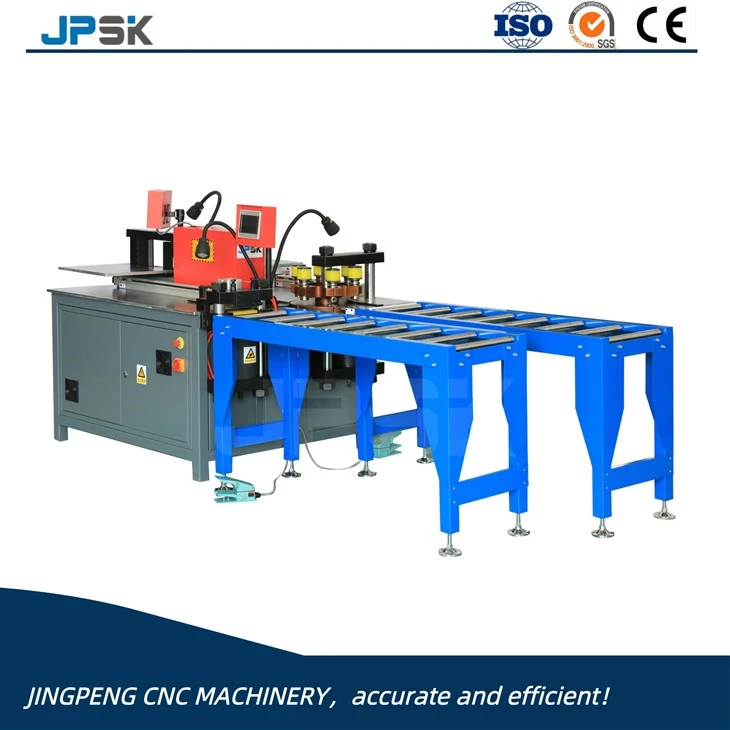
If you're in the market for a high - quality busbar machine, check out our High Precision Busbar Processing Machine. It's designed with the latest technology to ensure efficient and accurate busbar processing.
Maintaining the hydraulic system of a busbar machine is not rocket science, but it does require regular attention and care. By following these tips, you can keep your busbar machine running smoothly and avoid costly breakdowns. If you have any questions or need further assistance, don't hesitate to contact us. We're here to help you make the most of your busbar machine and ensure its long - term performance. Whether you're a small workshop or a large industrial facility, we've got the right solution for you. Let's start a conversation about how we can meet your busbar processing needs.
References
- Manufacturer's manuals for busbar machines
- Hydraulic system maintenance guides from industry experts


